Dinosaur Stegosaurus 3: Bold & Playful Silhouette
First Impression: Instant Recognition, Timeless Appeal
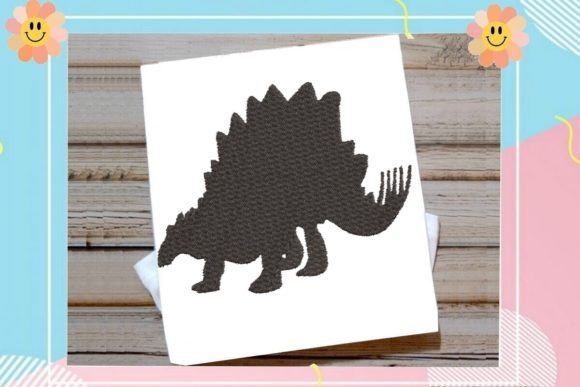
As an embroidery designer who’s prepped over 200 craft fair booths, I can tell you Dinosaur Stegosaurus 3 lands exactly where it needs to: bold, clean, and instantly legible. It’s not cutesy or cartoonish—it’s a confident silhouette with strong contour lines and balanced negative space. That means it reads as modern *and* timeless—no dated trends, no visual clutter. At a glance, shoppers see “dino,” “stegosaurus,” and “handmade quality” all at once. It leans slightly rustic-farmhouse when stitched on linen tea towels, but shifts effortlessly to playful-minimal on organic cotton tote bags. No need to over-explain it—this is a design that sells itself through clarity and character.
Where Dinosaur Stegosaurus 3 Shines in Real Craft Fair Products
In my booth setup last spring, I tested Dinosaur Stegosaurus 3 across eight product types—and three stood out as consistent top sellers:
- Tote bag design: Centered on a 15″ x 15″ natural canvas tote, it became the anchor of my display. Large enough to command attention from six feet away, yet refined enough to avoid looking juvenile. Customers picked it up immediately—not just kids’ parents, but teachers, geology lovers, and retro-design fans.
- Embroidered patch: Sized at 3.2″ wide, it stitched cleanly on twill and denim-backed fabric. I offered iron-on and sew-on versions, and patches flew off the table as impulse buys—especially paired with mini pouches and enamel pins.
- Apron embroidery: Placed just above the pocket on a charcoal linen-cotton apron, it added quiet personality without overwhelming function. Buyers commented on how “grown-up” and “intentional” it felt—proof that dinosaurs don’t have to mean “kids only.”
It also performed well on tea towel embroidery (centered on flour-sack cotton), small fabric pouches (3.5″ x 4.5″), and pillow covers—but lost some impact on curved cap surfaces unless resized carefully. On dark fabric, I recommend high-contrast thread colors (white or pale yellow) to preserve definition.
Production Practicality: Fast, Flexible, and Booth-Ready
As a working embroidery designer, I prioritize designs that support batch production without sacrificing charm—and Dinosaur Stegosaurus 3 delivers. Its silhouette structure means low stitch density in open areas, minimal jump stitches, and no tiny interior details that snag or blur. That translates to faster run times, fewer thread breaks, and cleaner results across fabric textures—from smooth poplin to textured terry cloth.
It scales beautifully: use it large (4.5″–5.5″) for focal pieces like market bags or pillow covers, or shrink it down to 2.25″ for subtle accents on scarf hems or pocket flaps. For Etsy sellers, this flexibility means one digital embroidery file can serve multiple listings—tote bag design, apron embroidery, embroidered patch—with only minor resizing adjustments.
Photography is another win. The strong outline renders crisply in natural light, and printable mockups look professional even without heavy editing. No need for filters or shadows—just clean white background + good lighting = scroll-stopping Etsy listing images.
Careful-Use Notes Every Designer Should Check
Even strong silhouettes need smart execution. Before stitching your first batch of Dinosaur Stegosaurus 3, test these points:
- Fabric texture matters: On thick, napped fabrics (like heavy canvas or fleece-lined backpacks), increase stabilizer layers—cutaway works best for long-term wear.
- Curved surfaces demand adjustment: Caps and curved tote handles require re-hooping or specialty hoops. Don’t force the design onto a tight curve—resize or reposition instead.
- Dark fabric = contrast check: Always test thread colors on your base fabric. Some “bright white” threads dull on charcoal or navy—try matte white or ecru for softer contrast, or metallic silver for pop.
- Small sizes need verification: Below 2″, the tail spikes and plate detail risk merging. Confirm clarity at your target size using a printed template before hooping.
Booth Impact & Buyer Engagement: Why This Design Converts
In a crowded handmade market, visual cohesion builds trust—and Dinosaur Stegosaurus 3 strengthens your brand consistency across products. When customers see the same clean silhouette on your tea towel embroidery, embroidered patch, and apron embroidery, they recognize intentionality. That perception lifts perceived value: buyers pay more for curated collections than one-off items.
At craft fairs, this design sparks conversation—not just “Oh, a dino!” but “Is that a stegosaurus? How did you get the plates so crisp?” That moment of engagement often leads to upsells: “Do you have this on a pouch too?” or “Can I get it in mustard thread?” It’s tactile, memorable, and quietly sophisticated—exactly what boutique makers and small shop owners need to stand out next to mass-produced prints.
Final Designer Checklist Before You Stitch
Before cutting fabric or loading your embroidery file, run through these non-negotiable steps:
- Test Dinosaur Stegosaurus 3 on scrap fabric matching your final product’s weight and weave.
- Check thread contrast under real lighting—not just screen glow.
- Review spacing and alignment in your embroidery software; confirm no overlapping elements.
- Verify hoop size compatibility—don’t assume it fits your standard 5″ x 7″ hoop without checking.
- Inspect stitch density: if the original file includes dense fill areas, consider simplifying for textured towels or caps.
- Choose stabilizer based on fabric—not habit. Tear-away for stable wovens, cutaway for knits or stretchy blends.
- Create at least one real mockup—not just a digital preview. See how it drapes, folds, and feels in hand.
- Compare thread colors across fabric swatches: ivory on oat linen looks different than on black cotton.
- Confirm commercial licensing status—this is essential for any craft fair product, Etsy seller, or small shop product sold as a finished item.
Dinosaur Stegosaurus 3 isn’t just another machine embroidery design—it’s a versatile, audience-tested asset for creative entrepreneurs who value both aesthetic integrity and production efficiency. When executed with care, it turns everyday handmade products into collectible moments—and that’s how craft fair tables turn into loyal followings.