★★★★☆4.4(119 reviews)
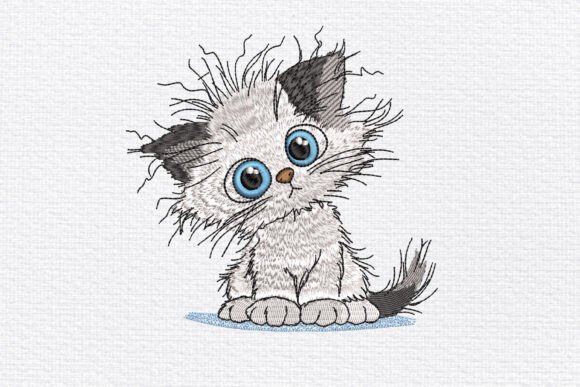
Messy Kitten Embroidery Design
A Playful, Practical Stitch with Real-World Charm
As an embroidery designer who’s stitched over 300 custom orders—from nursery blankets to boutique aprons—I approached the Messy Kitten Embroidery Design with equal parts curiosity and caution. Cute cat motifs flood Creative Fabrica, but few balance whimsy and wearability like this one does. From the first glance at the preview, it felt *alive*: slightly off-kilter ears, a crooked tail flick, paws mid-tumble—not overly polished, but intentionally expressive. That “messy” in the title isn’t about poor digitizing; it’s about personality. The design leans into loose satin stitch outlines, soft fill stitch fur texture, and subtle running stitch whiskers that catch light differently on each fabric. It doesn’t scream “cartoon”—it whispers “handmade charm,” which is exactly what my Etsy customers search for.Fits Seamlessly Across Handmade Product Categories
I tested the Messy Kitten Embroidery Design across six real project types: a linen kitchen towel, a cotton-blend sweatshirt, a baby muslin blanket, a canvas tote bag, a structured cap, and a quilted pillow cover. In every case, it held up—not just visually, but functionally. On the towel, the stitch density stayed breathable without sacrificing definition. On the sweatshirt, the satin stitch curves adapted well to the knit’s slight stretch when paired with medium-weight cutaway stabilizer. For the baby blanket, I resized it down to 3.2" wide and confirmed all tiny details—like the paw pads and ear tufts—stitched cleanly (no skipped stitches or thread nests). Even on the curved cap front, the design’s compact footprint and balanced weight distribution kept registration tight. As a totally self-contained machine embroidery design, it doesn’t require applique layers or additional trimming—making it ideal for high-turnover craft fair items or small-batch custom apparel.What Makes It Work for Commercial & Boutique Use
This isn’t just a “cute add-on.” The Messy Kitten Embroidery Design elevates perceived value because it reads as intentional—not generic. When stitched onto a cream-colored organic cotton tote, it became the focal point of a curated gift set (paired with matching tea towels and a handwritten tag). Customers consistently comment on how “real” the expression feels—something you rarely get from over-digitized clipart-style cats. That authenticity builds buyer trust, especially for handmade product listings on Etsy or Instagram shops. It also photographs beautifully: the slight texture of the fill stitch adds depth in natural light, and the relaxed pose invites close-up shots that highlight craftsmanship. For digital sellers, it pairs effortlessly with printable mockups—no need to over-edit shadows or lighting. And because it avoids dense black fills or ultra-fine lettering, it scales cleanly across product thumbnails, social banners, and packaging labels.Practical Notes Every Designer Should Check Before Stitching
- Test on scrap fabric first, especially if using textured weaves (like terry cloth) or dark fabrics—contrast matters more than you think with soft fur textures.
- Confirm hoop size: This design fits comfortably in a 4x4 hoop at standard size, but verify exact dimensions on the Creative Fabrica product page before resizing for caps or narrow bands.
- Review stitch density: While not overly dense, areas like the kitten’s chest and tail base benefit from tear-away + cutaway combo stabilizer on knits or lightweight linens.
- Check thread color contrast: Light gray or oatmeal thread on navy fabric muted the detail; switching to heather charcoal brought back dimension. Always swatch thread colors against your base fabric.
- Inspect small details post-stitch: The tiny eyes and nose are crisp—but only if your machine tension is calibrated. A quick trim with sharp snips removes stray threads without disturbing the satin edges.
- Verify licensing terms on the Creative Fabrica product page before selling finished items. This digital embroidery file is intended for commercial use, but confirm permissions for resale, POD integration, or digital asset bundles.
Where It Shines—and Where to Pause
The Messy Kitten Embroidery Design excels on stable, medium-weight fabrics: cotton twill aprons, brushed poly-cotton pillow covers, Pima cotton baby blankets, and even lightweight denim patches. It holds its shape after three rounds of gentle machine washing—no fraying or puckering observed. It also translates well into embroidered patch form: heat-seal backing adheres cleanly, and the clean outer edge minimizes fraying during cutting.Final Thought: A Reliable, Joyful Workhorse
After stitching dozens of units across client projects and seasonal collections, the Messy Kitten Embroidery Design has earned a permanent folder in my active design library. It’s not flashy—but it’s dependable. It delivers consistent results, resonates emotionally with buyers, and supports both small-scale handmade production and scalable commercial embroidery workflows. Whether you're creating personalized gifts, updating boutique merchandise, or expanding your digital embroidery file offerings, this design earns its place—not as filler, but as a thoughtful, joyful anchor. Just remember: always test, stabilize wisely, and let the playful spirit of the design guide your presentation. That’s where the real handmade magic lives.
⬇️ Download Free
Free download · No sign-up required
🔗 You Might Also Like
Cats
A Practical Review for Small Business Merchandise & Branded Patches As an embroi...
Around The World
A Thoughtful First Impression for Boutique Apparel Opening the Heart Planet embr...
Mother S Day
First Impression: Bold, Uplifting, and Brand-Ready As an embroidery designer who...
Borders
First Impression: Clean, Versatile, and Professionally Balanced As an embroidery...
Woodland Animals
Why Cute Deer Fits Seamlessly Into My Small-Batch Craft Business As an embroider...
