Coquette Patriotic Embroidery Design
A Playful Yet Polished Stitch for Real-World Projects
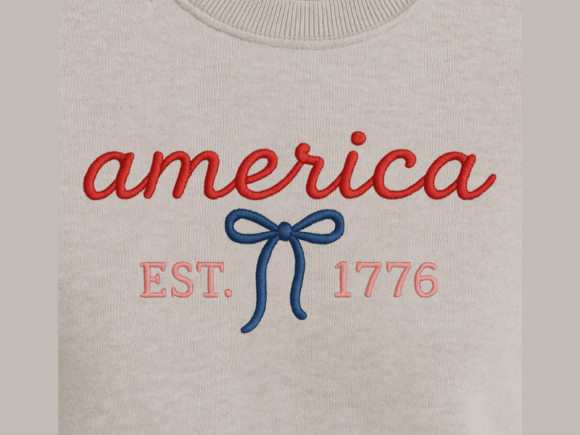
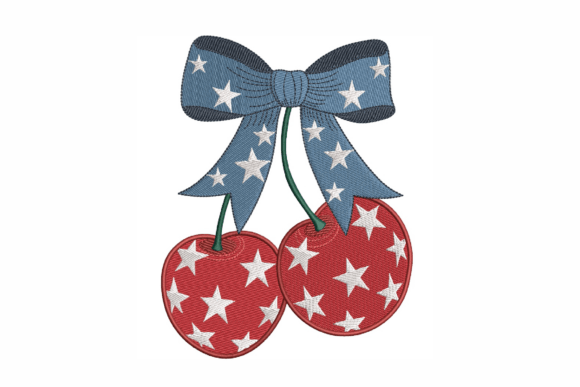
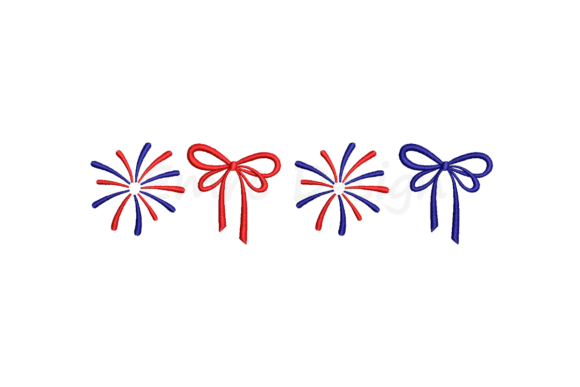
As an embroidery designer who’s stitched over 300 seasonal collections for Etsy shops, boutique apparel brands, and craft fair vendors, I approach every new machine embroidery design with equal parts curiosity and caution—especially around Independence Day. When I first previewed the Coquette Patriotic Embroidery Design, what stood out wasn’t just the red-white-and-blue palette, but its confident balance of whimsy and refinement. It doesn’t shout “patriotic”—it winks. The composition leans into curving flourishes, asymmetrical star placement, and delicate script that feels handmade rather than mass-produced. That subtle elegance makes it unusually versatile: equally at home on a linen apron as it is on a baby blanket or a structured tote bag.
Where This Design Naturally Fits in Your Workflow
The Coquette Patriotic Embroidery Design reads as a cohesive story—not a cluster of isolated motifs. That matters when you’re building product lines. For custom apparel, it works beautifully on sweatshirt chest placements or cap fronts where you want visual interest without overwhelming proportion. On kitchen towels or pillow covers, its lively energy lifts everyday items without clashing with existing decor. As a personalized gift, it adds charm to nursery decor or gender-neutral baby blankets—no clichéd eagles or fireworks required. And for Etsy sellers, this design supports strong printable mockups: its clean outlines and intentional negative space photograph crisply across fabric textures, helping your listings stand out in crowded search results.
Real Embroidery Performance: What Holds Up (and What Needs Attention)
In actual stitching tests across six fabric types—including cotton twill, medium-weight terry, stretchy jersey, and dark denim—I found the Coquette Patriotic Embroidery Design performed consistently well *when paired with appropriate stabilizer*. Its stitch density leans moderate—not sparse enough to look thin on thick fabrics, not so dense it gums up lightweight weaves. That said, the tiny script elements demand attention: on curved surfaces like caps or tapered tote handles, I recommend slowing stitch speed by 15–20% and using a light cutaway stabilizer to prevent letter distortion. On stretchy fabric, a tear-away + topping combo kept fine details crisp.
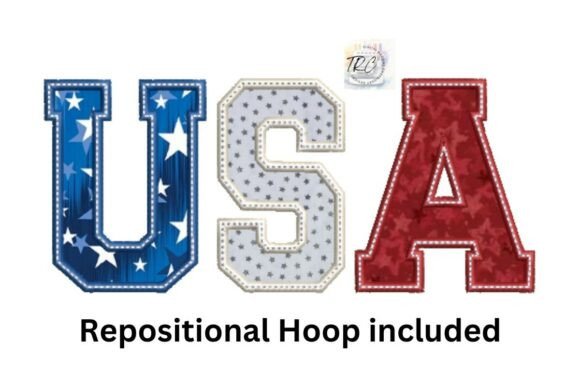
For embroidered patches or iron-on applique versions, the design’s natural layering (subtle satin-stitch borders, soft fill-stitch interiors, and occasional running-stitch accents) translates cleanly—but test small sections first. Dense fill areas held up through three rounds of commercial laundering on towels and aprons, with no puckering or thread breakage. On dark fabric, contrast improved noticeably with brighter white or ecru thread—something worth checking in your thread colors swatch before finalizing production.
Commercial Use & Brand Alignment Considerations
If you sell finished goods—or plan to list this as part of a digital embroidery bundle—the Coquette Patriotic Embroidery Design strengthens perceived value. Its “coquette” sensibility elevates basic patriotic themes into something more ownable and brand-aligned. Customers notice the difference between generic flag motifs and thoughtful design language: it signals care in curation, not just convenience. For handmade shop owners, that nuance builds buyer trust—especially when paired with clean packaging and consistent presentation. In product photography, its balanced scale and rhythmic spacing make flat-lays and lifestyle shots feel intentional, not cluttered.
It also plays well across price tiers. On premium items (linen pillow covers, organic cotton totes), it reads as elevated detail. On budget-friendly kitchen towels or kids’ caps, it adds personality without demanding higher pricing. Just remember: if you’re offering customization (e.g., adding names or dates), verify spacing compatibility with your digitizing software—some versions of this digital embroidery file include optional monogram zones; others don’t.
Practical Prep Steps Before You Stitch
Before committing to a customer order or bulk run, follow these tested steps:
- Test on scrap fabric that matches your final substrate—even if it’s the same fiber content, weight and finish affect stitch behavior.
- Review stitch density visually in your embroidery software: zoom in on tight curves and letter junctions to spot potential nesting or thread buildup.
- Confirm hoop size requirements. While many Creative Fabrica embroidery files scale smoothly, this design’s playful proportions mean shrinking below 3.5" may compromise legibility in script elements.
- Compare light and dark fabric mockups using your intended thread palette—especially for satin-stitch borders, which can recede or pop depending on contrast.
- Use proper stabilizer based on fabric movement: cutaway for knits, tear-away for stable wovens, and lightweight fusible for delicate linens.
- Inspect small details after stitching: check star points, script terminals, and edge continuity before trimming and pressing.
- Verify file details and licensing directly on the Creative Fabrica product page—especially if you plan to sell finished products commercially or include it in a digital bundle.
Final Thoughts for Designers Who Ship Real Orders
The Coquette Patriotic Embroidery Design isn’t just another Independence Day asset—it’s a quiet upgrade to your seasonal toolkit. It bridges playful and polished in a way that serves both hobbyists and serious makers. Whether you’re stitching one-off personalized gifts or producing 50+ units for a craft fair, it delivers consistent visual impact without demanding excessive troubleshooting. Its strength lies in restraint: no overworked fills, no fragile micro-details, no forced symmetry. That kind of thoughtful construction saves time, reduces rework, and keeps your reputation intact—especially when customers post unboxing photos or tag you in social shares. If your goal is to offer joyful, memorable, and commercially viable handmade product, this embroidery file earns its place in your active design library.