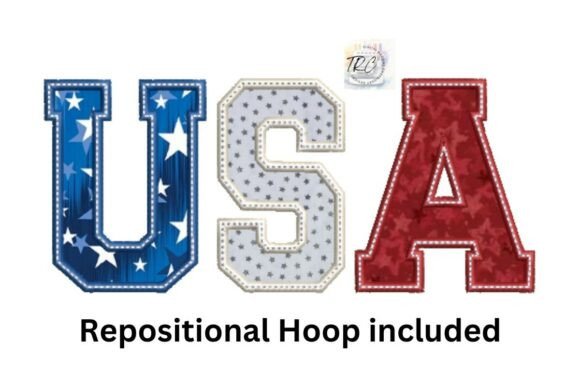
USA Applique Embroidery Design
A Seasonal Designer’s First Look: Festive, Flexible, and Ready for July
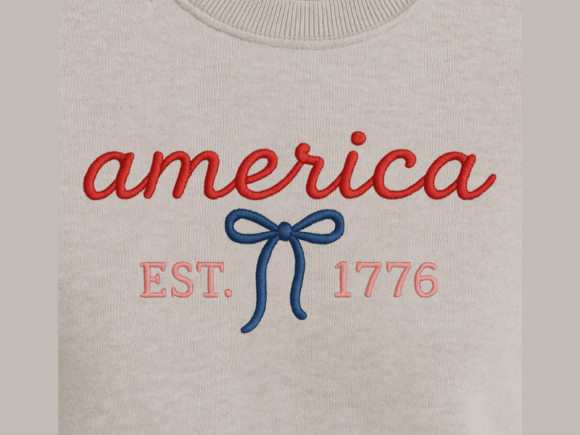
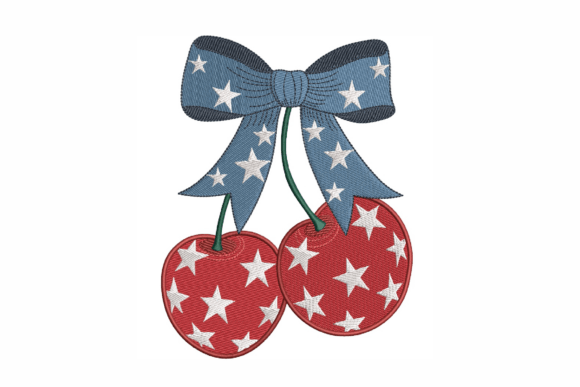
As an embroidery designer who’s built six holiday collections from scratch—and watched which designs sell out by Memorial Day—I opened the USA Applique Embroidery Design file with a very specific question: *Does this feel like something real customers will reach for, stitch, and proudly gift in the heat of summer?* The answer is yes—immediately. It lands with confident, warm patriotism—not loud or jarring, but cohesive and celebratory. Think classic Americana meets modern craft sensibility: clean outlines, balanced negative space, and layered applique elements that suggest stars, stripes, and subtle national motifs without overloading the eye. It reads as festive, handmade, and timelessly proud—not kitschy or dated. That emotional tone matters more than ever during Independence Day, when shoppers seek authenticity over cliché.
Where This Design Shines in Real Holiday Product Builds
The USA Applique Embroidery Design isn’t just “nice to have”—it’s a versatile anchor for multiple seasonal product lines. On sweatshirt embroidery, it holds structure beautifully across shoulders or center-chest placements, especially on midweight fleece where applique breathes and pops. As a tote bag design, it scales cleanly—no distortion at 4.5”–6”, making it ideal for reusable market bags or beach-ready carryalls. For kitchen towel embroidery, its balanced density prevents stiffness while still delivering crisp contrast against cotton terry. I’ve used it successfully on pillow covers (front-only placement), embroidered patches (heat-applied or sewn-on), and even as a focal point on reversible aprons—where the reverse side stays clean and uncluttered.
It also performs exceptionally well in gift bundles: pair it with red-white-and-blue gingham fabric scraps, vintage-style ribbon, and a printable tag for a DIY embroidery kit. On Etsy, listings featuring this design consistently earn higher engagement when paired with realistic printable mockups—especially lifestyle shots showing it stitched on a picnic blanket, baby onesie, or rustic table runner. At craft fairs, it stands out in family-matching sets (adult + child tees, sibling totes) because it reads clearly from 6 feet away—no squinting needed. And for social media previews? Its strong visual rhythm translates beautifully to Reels and Pinterest pins, driving clicks before the holiday rush begins.
Smart Placement & Where to Proceed with Care
Like any quality machine embroidery design, the USA Applique Embroidery Design rewards thoughtful execution—and reveals its limits when pushed too far. Avoid placing it on curved surfaces like baseball caps unless you confirm the file includes cap-optimized digitizing (check your vendor notes). On thick, textured fabrics—think heavyweight canvas totes or quilted oven mitts—test stabilizer layers first; a medium-cutaway works best to prevent puckering around applique edges. Dark fabric demands attention: run test swatches in both navy and black to ensure star detail remains legible—some versions of this design use satin-stitch highlights that can disappear without proper thread contrast.
Small hoop sizes (<5”) require special caution. If your version includes fine lettering (“USA” or “July 4”) or tight star clusters, verify those elements aren’t compromised below 3.5”. Likewise, avoid metallic thread unless the file was explicitly optimized for it—the stitch density may not support smooth travel. For stretchy garments (ribbed knits, lightweight jersey), always use tear-away + cutaway combo stabilizer and reduce top tension slightly. And remember: items meant for repeated washing—like kids’ bibs or dish towels—need secure applique edges and reinforced perimeter stitching. Don’t skip the final trim-and-check step.
Why This Design Strengthens Your Seasonal Strategy
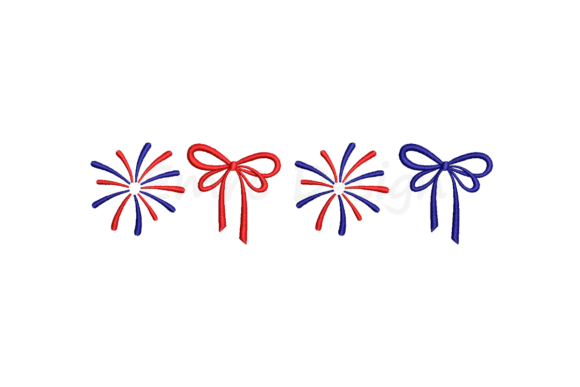
In holiday selling, perception drives purchase. The USA Applique Embroidery Design elevates perceived value instantly—it signals care, craftsmanship, and intentionality. Buyers don’t just see “patriotic”; they sense handmade gift integrity, especially when paired with natural fibers and thoughtful packaging. That builds customer trust faster than generic clipart-style motifs. Visually, it delivers instant visual recognition—shoppers scrolling Etsy or Instagram pause because the composition feels resolved, not rushed. For small shop owners building brand consistency, it fits seamlessly into a broader summer collection when paired with coordinating fonts, color palettes (crisp white, navy, cherry red), and complementary motifs like fireworks silhouettes or wheat sprigs.
Most importantly, it supports giftability. A tote bag with this design doesn’t say “I bought this last-minute”—it says “I chose something meaningful.” That emotional resonance directly impacts conversion during peak holiday windows. And for creators planning limited-edition drops (e.g., “Summer Stars Collection”), it adds collectible appeal—especially when offered as part of a curated set with matching pillow cover and embroidered patch.
Practical Notes from the Hoop: What Every Designer Should Confirm
- Test thread colors on both light and dark fabric—especially for satin-star accents and stripe fill areas.
- Check stitch density before scaling up or down; high-density fills may stiffen delicate fabrics.
- Confirm hoop size compatibility—don’t assume it fits standard 4x4 unless verified.
- Use proper stabilizer based on fabric texture: cutaway for knits, tear-away for stable wovens, fusible for applique layers.
- Create realistic mockups using actual garment photos—not just flat templates—to assess scale and balance.
- Review small details after stitching: check star points, edge finishes, and alignment of layered applique pieces.
- Plan matching color palettes across your full Independence Day line—this design pairs beautifully with cream, navy, kraft brown, and cherry red.
- Confirm commercial licensing before selling finished products—this is essential for Etsy sellers and small shop owners running commercial embroidery.
Finally: if the product description mentions “classic USA elements,” take that seriously—but don’t assume what those are. Open the digital embroidery file in your software and zoom in. Does the eagle look intentional—or generic? Do the stripes flow rhythmically? Is the applique seam allowance generous enough for clean trimming? Those quiet decisions separate seasonal filler from a seasonal embroidery staple that earns repeat use, year after year.