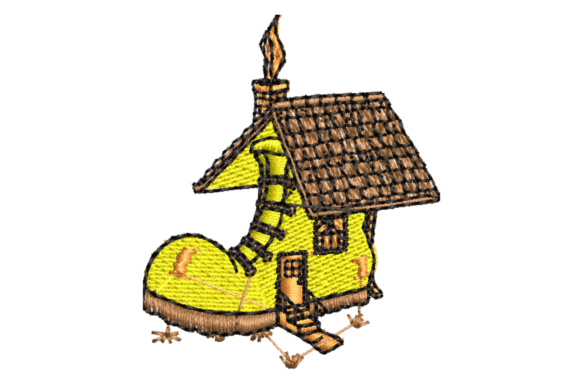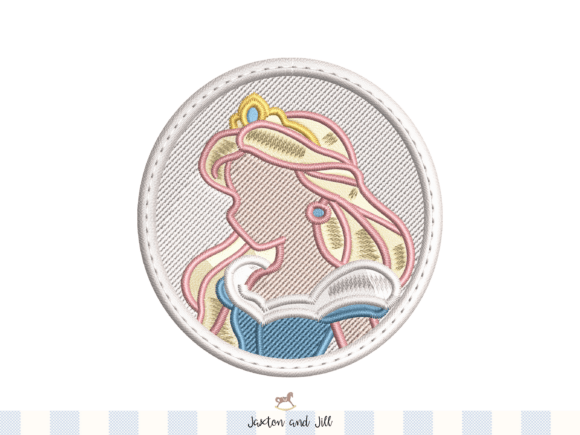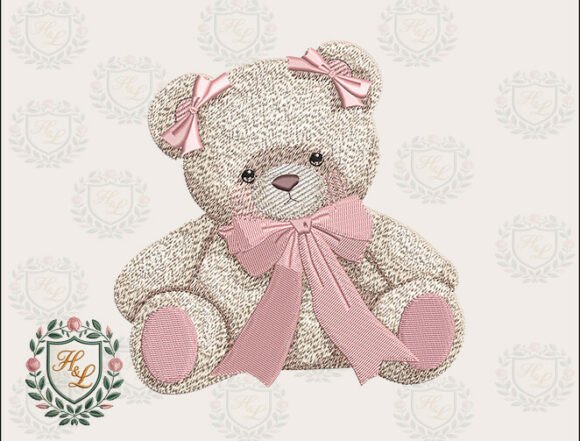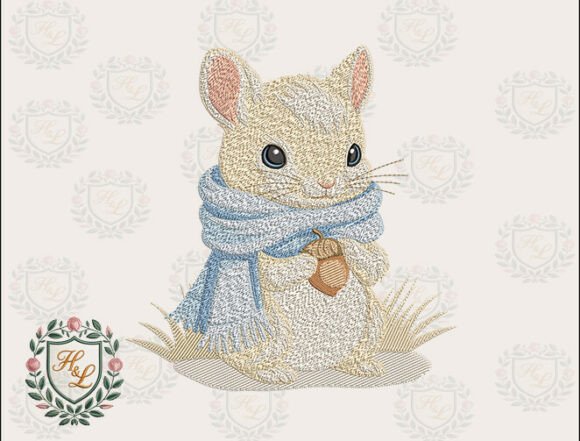
Mythical Creatures Embroidery Files
A Designer’s First Stitch: What This Design *Actually* Feels Like in Hand
As someone who’s stitched hundreds of embroidery files for clients—from boutique baby onesies to Etsy bestsellers—I opened Mythical Creatures Embroidery Files expecting whimsy. What I got was something more grounded: a quiet, confident charm. It’s not overly busy or cartoonish; the lines breathe, the proportions feel intentional, and the appliqué layout suggests thoughtful negative space—not just “fill the hoop.” That matters. Because when you’re stitching a custom embroidered tote bag for a local fairy-tale-themed bookstore, or prepping a nursery pillow cover for a client who values handmade subtlety over flash, this design doesn’t shout. It invites.
Where It Shines—and Where It Asks for Your Attention
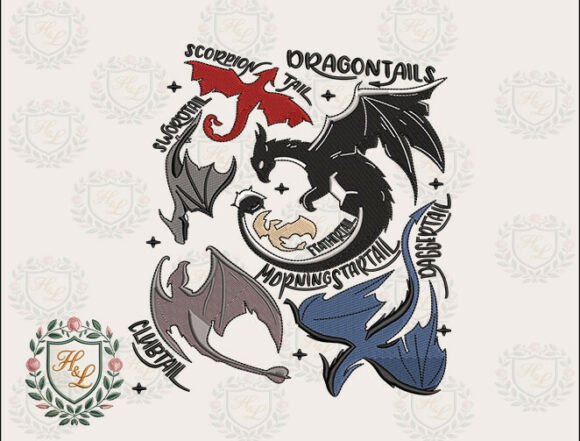
Mythical Creatures Embroidery Files lands beautifully on medium-weight cotton canvas (think tote bags, tea towels, pillow covers) and stable knits like premium sweatshirt fleece. On a soft unisex crewneck, the satin stitch outlines hold clean definition without stiffness, and the fill stitch areas—like a dragon’s scaled wing or a unicorn’s mane—read as textured, not muddy. That’s rare in digital appliqué designs meant for broad use.
It also works well for personalized gifts: a tiny griffin stitched onto a baby bib reads as delicate, not overwhelming. And for craft business owners, it scales gracefully into printable mockups—clean lines translate clearly in product photos, which helps build trust with buyers browsing your Etsy shop or small shop website.
But let’s be real: this isn’t a “set-and-forget” file. On thin fabrics like lightweight voile or stretchy jersey tees, the satin stitch borders can pucker if stabilizer isn’t layered thoughtfully. And on dark fabric? Test thread colors first—the original palette may soften unexpectedly. I ran a quick black-and-white mockup and noticed how much the design relies on contrast between appliqué base and border stitching. Without that pop, some details recede.
Real-World Use Cases: From Client Projects to Craft Fair Bins
- Custom apparel: Works best on structured items—tote bags, aprons, camp-style sweatshirts—where the design has room to anchor and the fabric won’t shift mid-stitch.
- Baby embroidery: The gentle scale and rounded forms suit onesies and burp cloths—but avoid dense fill areas near seams where repeated washing could stress stitches.
- Holiday & gift embroidery: A stitched griffin on a linen kitchen towel feels special but not kitschy. Perfect for holiday markets where shoppers want heirloom energy, not mass-produced flair.
- Embroidered patch production: The clean outer edge and minimal underlay make it patch-ready—if you’re cutting and sealing for resale, confirm your machine handles tight satin stitch curves smoothly.
- Commercial embroidery: For small shops adding custom names or initials alongside the creature, leave at least ½" breathing room. The design’s visual weight holds up next to simple monograms, but clashes with ornate script.
What This Design Says About *Your* Brand—Without You Saying a Word
Your customers don’t read licensing fine print—they feel cohesion. When Mythical Creatures Embroidery Files appears on a hand-stitched apron sold at a local makers’ market, it signals care: attention to theme, proportion, and material honesty. That builds perceived value faster than any tagline. But it also demands consistency. If your shop leans minimalist, this design fits right in. If your brand is bold and graphic, it might need pairing with stronger typography or bolder thread choices to avoid looking tentative.
I’ve seen Etsy sellers list nearly identical fairy-tale files—but what separates the top performers is how they *present* them. This file’s balanced layout means it photographs cleanly on both light and dark backgrounds, making your digital embroidery file previews look professional. That directly impacts click-through rates and buyer confidence.
Practical Designer Notes Before You Stitch
- Always test on scrap fabric first—especially if using textured weaves or blends. Appliqué adhesion varies wildly.
- Review stitch density before scaling. Some mythical motifs (like feathered wings or curly tails) pack more fill stitches than expected—check for potential puckering on lightweight cotton.
- Confirm hoop size compatibility. While the description says it’s “perfect for shirts, tote bags, pillows,” verify the largest version fits your standard hoop—no one wants to re-hoop mid-project on a curved surface like a cap brim.
- Inspect small details at 200% zoom: eyes, claws, horn tips. Are they digitized to stitch cleanly, or do they rely on thread blending? Clarity here affects recognition—and customer delight.
- Use proper stabilizer. Tear-away works for stable fabrics; cut-away is safer for knits or anything going into the wash regularly.
- Check licensing before selling finished items—this is non-negotiable for Etsy sellers and craft businesses. Does the license allow commercial use of the finished product? Reselling the digital embroidery file itself? Confirm before listing.
Final Thought: Not Just a Design—A Design *Partner*
Mythical Creatures Embroidery Files doesn’t try to be everything. It doesn’t cram in glitter effects or forced dimension. Instead, it gives you room—to choose thread colors that reflect your brand voice, to pair it with thoughtful typography, to adapt it across baby embroidery, holiday embroidery, and boutique merchandise without losing its soul. That’s the mark of a strong embroidery file: it serves the project, not the other way around. Whether you're stitching a single personalized gift or building a cohesive line of fairy-tale-themed design assets, this one earns its place in your working library—not because it’s flashy, but because it’s reliable, expressive, and quietly professional.