Ribbon Monogram Embroidery Design
First Impressions: Delicate, Romantic, and Instantly Gift-Ready
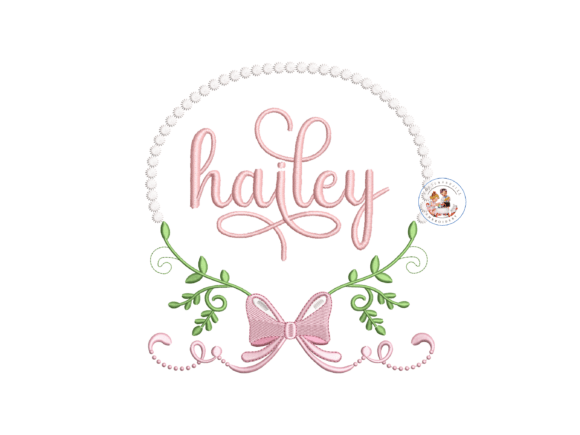
As an embroidery designer who’s tested hundreds of machine embroidery designs for personalized gift shops, the Ribbon Monogram Embroidery Design stopped me mid-hoop. It’s not just pretty—it carries a quiet confidence: soft but structured, dainty but deliberate. The ribbon motif wraps gently around the monogram with subtle floral flourishes—think blooming baby’s breath rather than bold peonies—placing it firmly in the Floral Wreaths category while feeling distinctly personal. There’s no loud trend-chasing here. Instead, it evokes heirloom charm: the kind of detail that makes a new parent pause when unboxing a nursery pillow cover, or a bride smile while tracing the loop of her initials on a linen handkerchief.
Where This Design Truly Shines
This isn’t a one-size-fits-all monogram—it’s a mood-setter. I’ve already sketched out how it’ll elevate real-world products:
- Baby embroidery: On organic cotton swaddle blankets or muslin burp cloths, the ribbon’s gentle curves soften the formality of traditional monograms—perfect for gender-neutral gifting without sacrificing elegance.
- Wedding gift: Stitched onto ivory linen napkins or embroidered tote bags for the bridal party, it reads as thoughtful—not generic. The floral frame adds just enough romance to feel intentional, never cliché.
- Nursery decor & blanket embroidery: Paired with muted thread colors (oatmeal, dusty rose, sage), it becomes a quiet anchor on a crib sheet or wall hanging—timeless enough to grow with the child.
- Embroidered towel & apron: On high-thread-count kitchen towels or linen chef aprons, the design balances utility and beauty—no “craft fair clutter,” just refined custom embroidery.
- Etsy seller & small shop product: Its versatility means one digital embroidery file can support multiple listings—a pillow cover, a canvas tote, a tea towel—without needing redesigns or licensing gymnastics.
Where to Use It Thoughtfully
Even the most charming machine embroidery design has boundaries—and honoring them keeps your finished product looking professional and durable. Here’s where I recommend extra care with the Ribbon Monogram Embroidery Design:
- Small lettering: Avoid shrinking the monogram below 2.5 inches wide. Tiny curves and ribbon tails lose definition quickly—especially on textured fabric.
- Thick or plush textiles: Heavy terry cloth towels or fleece blankets may swallow delicate stitch details. Opt for lighter stabilizer layers and test stitch density first.
- Stretchy baby clothes: While lovely on knit onesies in theory, the ribbon’s structure relies on stability. Stick to woven fabrics unless you’re using high-quality cutaway stabilizer and reduced tension.
- Curved surfaces: Mugs, curved pillow forms, or rounded tote handles distort hoop alignment. Use a flat surface mockup before committing to production.
- Dark fabric: The fine ribbon edges need contrast. Test thread colors thoroughly—matte black thread on navy can disappear; ecru or charcoal often reads cleaner.
- Frequent-wash items: For baby bibs or kitchen linens, confirm the stitch density allows for flexibility. Overly dense fills crack after repeated laundering.
Why Customers Connect—And Why That Matters to Your Shop
This personalized gift doesn’t just say “I bought something.” It says “I chose something *for you*.” The Ribbon Monogram Embroidery Design invites emotional connection: the ribbon suggests care, the monogram signals identity, the floral frame whispers continuity. That translates directly to perceived value—customers pay more for handmade products that feel considered, not mass-produced.
In my experience, this design also boosts buyer engagement. When styled well in product photography—say, a linen pillow cover folded beside a pressed wildflower sprig—it encourages saves, shares, and repeat visits. For Etsy sellers, that means better algorithm visibility. For brick-and-mortar gift shops, it means customers linger longer and ask about customization options. And for wedding gift designers? It builds trust—the kind that turns one order into a full suite of monogrammed stationery, robes, and guest favors.
Practical Embroidery Notes You Can’t Skip
Before stitching your first customer order, treat this digital embroidery file like a trusted collaborator—not a magic button. Here’s my checklist:
- Test on scrap fabric—same type and weight as your final product. Watch how the ribbon loops hold up under actual needle movement.
- Confirm hoop size. Some versions of this design require a 5x7” hoop minimum. Don’t assume compatibility with smaller frames.
- Review stitch density. If the floral frame feels too heavy for lightweight cotton, consider editing fill angles—or reach out to the designer for a low-density variant.
- Use proper stabilizer. Tear-away works for stable wovens; cutaway is non-negotiable for knits or high-loft fabrics.
- Compare light and dark fabric mockups. A printable mockup helps clients visualize before you stitch—reducing returns and revisions.
- Check small details post-stitch. Trim loose threads from ribbon ends and verify monogram legibility at natural viewing distance.
- Confirm commercial licensing. Since this is a commercial embroidery use case (you’re selling finished products), verify the license permits resale—especially if you’re bundling it with other designs or listing on marketplaces.
A Design That Grows With Your Business
The Ribbon Monogram Embroidery Design isn’t just another embroidery file. It’s a quiet workhorse—elegant enough for luxury baby boutiques, adaptable enough for craft fairs, and emotionally resonant enough to become part of someone’s story. Whether you’re stitching a single custom order or scaling production for wholesale, it rewards attention to detail and deepens the meaning behind every handmade product you create. In a market flooded with fast trends, this design reminds us why people still choose embroidery: for the care in the curve, the intention in the monogram, and the quiet certainty that some things—like love, legacy, and a perfectly placed ribbon—are worth stitching by hand.