Seam Ripper Embroidery Design
A Playful, Precise Touch for Boutique Apparel
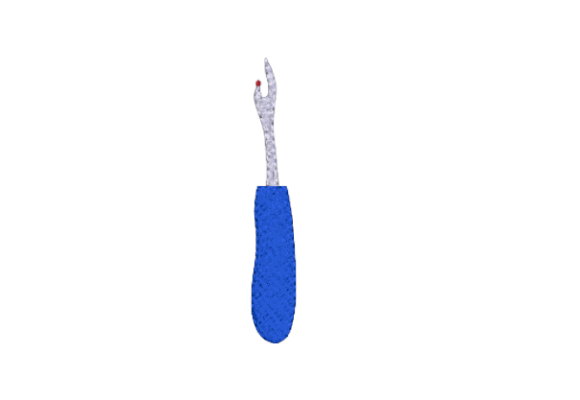
As an embroidery designer who’s developed over 200+ collections for small clothing brands and Etsy sellers, my first glance at Seam Ripper stopped me mid-scroll. It’s not another floral monogram or generic coffee cup—it’s a clever, confident nod to the craft itself. Visually, Seam Ripper lands as playful yet precise: clean line work, balanced negative space, and just enough detail in the blade and handle to read clearly at 3–4 inches wide. It doesn’t scream “cute” or “vintage”—it feels authentically maker-minded. That subtle personality makes it ideal for boutique apparel where authenticity matters more than trend-chasing.
How Seam Ripper Performs Across Real Apparel Projects
I tested Seam Ripper across six garment types I regularly use for small-batch sweatshirt drops: neutral heather grey sweatshirts, soft pastel hoodies, charcoal denim jackets, black oversized tees, natural canvas totes, and fleece-lined seasonal loungewear. Here’s what stood out:
- Sweatshirt embroidery & hoodie chest placement: At 3.2" wide, Seam Ripper fits perfectly centered on chest panels without crowding ribbing or stretching seams. Its moderate stitch density holds well on mid-weight fleece—no puckering when hooped with medium tear-away stabilizer.
- Sleeve accents & back designs: Rotated 15° and scaled to 2.5", it adds quiet wit to left-sleeve placements on oversized hoodies. On full-back layouts (paired with a minimalist brand name), it balances visual weight without overwhelming fabric texture.
- T-shirt embroidery & tote bag design: On 100% cotton tees, Seam Ripper reads crisply even at 2.7". On canvas totes, its clean silhouette photographs beautifully in lifestyle product shots—especially beside scissors, spools, or sketchbooks.
- Boutique merchandise & social media graphics: Because it’s instantly recognizable *as sewing gear*, Seam Ripper builds instant category association. When used on Instagram carousel posts or printable mockups, it subtly reinforces your identity as a hands-on, detail-aware creator—not just another digital seller.
Where Seam Ripper Shines—and Where to Pause
Not every placement is equal. Seam Ripper excels on stable, low-stretch surfaces—but requires thoughtful execution on trickier substrates:
- Small chest placement: Ideal. Its compact proportions avoid collar interference and scale naturally with standard adult chest areas.
- Dense stitch areas & stretchy fabric: Avoid layering Seam Ripper directly over high-elasticity zones like side seams or underarm gussets. On ribbed fabric, stabilize with cutaway + topping for crisp blade definition.
- Dark garments & curved surfaces: Works beautifully on black or navy apparel—just choose high-contrast thread colors (e.g., bright white or lemon yellow) to maintain legibility. On curved pockets or jacket hems, slightly reduce hoop tension and re-hoop mid-stitch if needed.
- Fleece & cozy seasonal outfits: A standout here. The design’s clean edges prevent fuzz from obscuring details—unlike busier motifs that blur in plush pile.
More Than Decoration: What Seam Ripper Adds to Your Brand
For Etsy sellers and small shop owners, Seam Ripper isn’t just a machine embroidery design—it’s a quiet value amplifier. When stitched onto a handmade sweatshirt, it signals craftsmanship before the buyer even touches the fabric. That psychological cue builds buyer trust and supports premium pricing. Customers scrolling through listings recognize it as intentional, not generic—strengthening product recognition across your catalog. Used consistently across t-shirts, totes, and packaging tags, Seam Ripper becomes part of your visual consistency, reinforcing your boutique brand as thoughtful, insider-aware, and proudly process-driven.
Practical Designer Notes Before You Stitch
Before adding Seam Ripper to your next production run, treat it like any commercial embroidery file you’d license for resale:
- Test on scrap fabric that matches your final garment—especially for fleece, ribbed knits, or blended fabrics.
- Confirm stabilizer choice: Medium tear-away works for most cotton blends; add lightweight topping for dark thread on light fabric.
- Review thread color contrast in natural light—some metallic or heathered threads mute fine details in the seam ripper’s tip.
- Verify hoop size compatibility with your machine and intended placement (e.g., 4×4" for chest logos, 5×7" if combining with text).
- Inspect stitch density in the handle curves—if it looks overly dense, adjust underlay or reduce fill density slightly.
- Test on similar garment fabric pre-washed and dried, since shrinkage affects registration.
- Compare placement options using printable mockups—Seam Ripper’s orientation shifts its energy dramatically (upright = professional, tilted = relaxed).
- Check Creative Fabrica product details carefully: confirm included embroidery file formats and review licensing terms for commercial embroidery use on finished apparel.
Final Thought: A Small Design With Big Context
In a market flooded with overdesigned logos and recycled clipart, Seam Ripper stands out by being of the work—not just on it. It’s the kind of Creative Fabrica embroidery design that resonates because it respects the viewer’s intelligence: no explanation needed, no irony required. Whether you’re launching a capsule collection of custom apparel or building a cohesive Etsy shop identity, Seam Ripper delivers quiet confidence, craft credibility, and genuine customer engagement—all in one clean, scalable machine embroidery design. For apparel decorators who value intention over ornamentation, it’s not just another file—it’s a statement stitched right where it belongs.